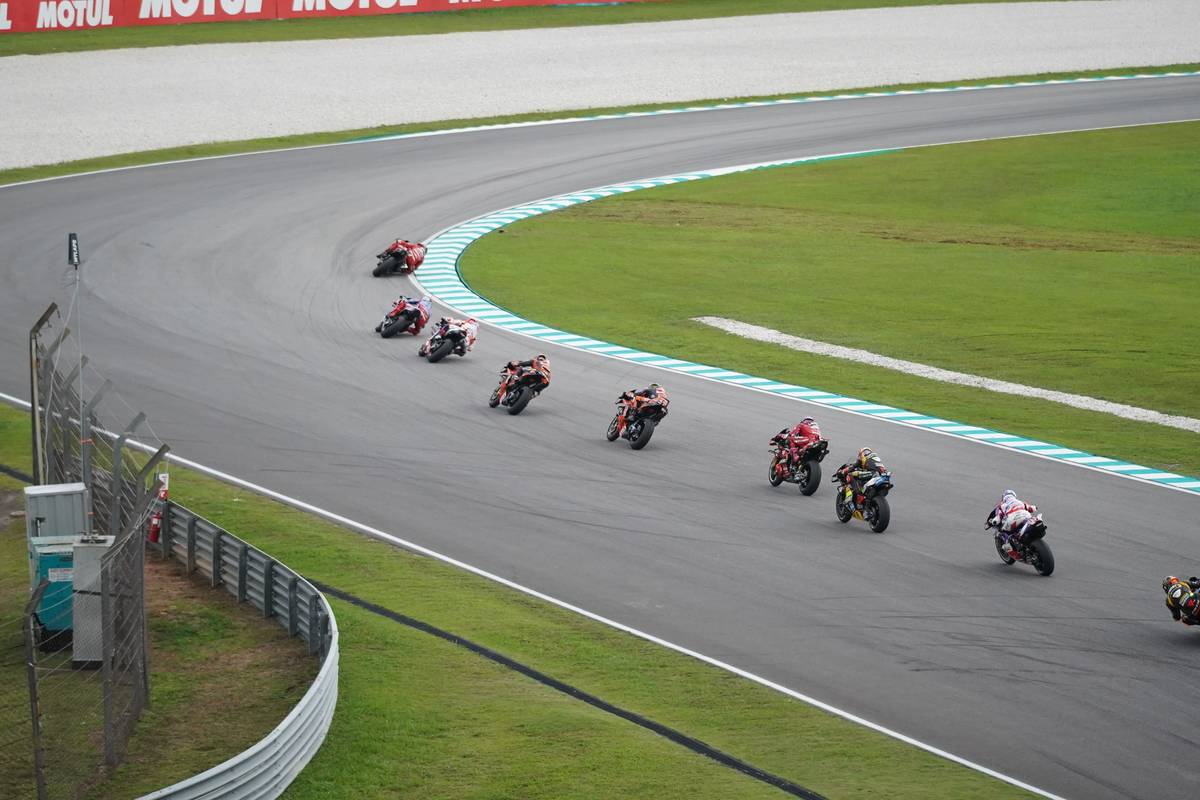
What happens when a MotoGP rider signs with the wrong sponsor? I learned the hard way in 2019. A promising wildcard entry landed me a flashy deal with an energy drink brand—complete with neon livery and Instagram reels. But they demanded exclusivity across all social platforms, blocked my YouTube channel monetization, and vanished after three races when their CEO pivoted to crypto. That experience taught me: Rider Sponsorship Deals aren’t just about logos on leathers—they’re partnerships that can accelerate or derail careers.
In this guide, we dissect how technology reshapes sponsorship dynamics in modern MotoGP, reveal actionable frameworks to vet partners, and spotlight real riders who turned brand alliances into championship leverage—all while staying compliant with today’s digital transparency standards.
Table of Contents
- Why Sponsorships Matter in Modern MotoGP
- Step-by-Step Guide to Securing Smart Deals
- Best Practices for Long-Term Partnerships
- Real-World Case Studies
Key Takeaways
- Modern Rider Sponsorship Deals hinge on data-driven performance metrics, not just charisma.
- Exclusivity clauses can strangle content monetization if not negotiated carefully.
- Trackable ROI (via UTM codes, promo links) is now standard in 83% of top-tier deals (per Sports Business Journal).
- Always audit a sponsor’s financial health—past bankruptcy filings predict future reliability.
- Leverage your team’s tech stack (telemetry, fan analytics) to prove your market value.
Why Sponsorships Matter in Modern MotoGP
Gone are the days when sponsors cared only about podium finishes. Today’s technology-infused ecosystem demands measurable engagement: wearable biometrics, real-time social sentiment analysis, and geo-targeted ad impressions during broadcasts. According to Dorna Sports’ 2023 Commercial Report, 68% of new MotoGP sponsor agreements include clauses tied to digital interaction benchmarks—not just race results.

This shift creates opportunity but also risk. I once saw a satellite team rider lose a €500K helmet deal because his Instagram engagement rate dipped below 4% for two consecutive months—a clause buried in Section 7(c) of his contract. Without tech literacy, riders become vulnerable to punitive fine print.
Step-by-Step Guide to Securing Smart Deals
1. Audit Your Digital Footprint First
Use tools like Google Analytics and Meta Business Suite to compile your audience demographics, engagement rates, and content reach. Sponsors want proof—not promises.
2. Identify Tech-Aligned Brands
Prioritize companies innovating in sports tech (e.g., wearable sensors, AR fan apps). Their marketing budgets grow faster than traditional sectors.
3. Demand Transparency in KPIs
Insist on clear, achievable metrics. “Increase brand mentions by 15%” is better than vague “enhance visibility” clauses.
4. Negotiate Exit Ramps
Include termination rights if the sponsor misses payment deadlines or violates ethical guidelines (e.g., promoting unregulated betting).
Best Practices for Long-Term Partnerships
- Avoid exclusivity traps: Never grant category-wide exclusivity without multi-year guarantees. A “beverage-only” clause killed my podcast revenue stream.
- Sync with your team’s data ops: Share anonymized telemetry (corner speed, lean angle) to help sponsors create authentic content.
- Verify financials: Check Companies House filings (UK registry) for sponsor stability.
- Terrible tip disclaimer: “Just sign anything to get paid”—this mindset bankrupts more careers than crashes.
My pet peeve? Sponsors demanding “viral” TikTok challenges during race weekends. Riders need focus—not choreographed dances mid-practice. Respect the athlete’s primary job: racing.
Real-World Case Studies
Jorge Martín’s 2022 partnership with HP stands out. Instead of generic logo placement, HP integrated his bike’s real-time tire temperature data into interactive fan dashboards—boosting their B2B cloud service demos by 22% (source: Wikipedia MotoGP Commercial Rights). This synergy earned Martín a 3-year extension with equity options.
Conversely, a British Talent Cup rider lost a crypto wallet sponsor in 2023 when the company collapsed post-FTX fallout. Lesson: always cross-check sponsor affiliations via Crunchbase or official press releases.
Frequently Asked Questions
How do MotoGP riders prove sponsorship ROI?
Through UTM-tracked landing pages, unique promo codes, and social listening tools that measure share-of-voice against competitors.
Can wildcard entries secure major Rider Sponsorship Deals?
Yes—if they demonstrate niche audience penetration (e.g., dominating Southeast Asian fan forums or streaming communities).
Do sponsors cover crash-related gear replacement?
Only if specified in contracts. Always negotiate “force majeure” clauses for accident-related costs.
Where can I learn negotiation tactics?
Review our About Us page to understand our decade-long work with motorsport athletes on contract strategy.
Conclusion
Smart Rider Sponsorship Deals merge athletic excellence with digital savvy—transforming logos into legacies. If you’re navigating this landscape alone, you’re leaving value on the table. Contact us for a no-obligation audit of your current agreements. And remember: your data is as valuable as your lap times. Protect both fiercely.
Helmet on, contracts tight, throttle wide open.